

If you’re getting ready for your baby’s first day at infant daycare, you’re probably carrying a mix of emotions right now, excitement, anxiety, guilt, relief, and about a hundred questions running through your mind before bedtime.
As a mother, educator, and the founder of DeeCyDa Child Care in Irvine, I’ve walked alongside hundreds of Orange County families through this exact transition. I still remember parents standing at our door with tears in their eyes, wondering if they packed enough diapers, if their baby would nap, or if they were making the right decision.
First, take a deep breath: what you’re feeling is completely normal.
The first few weeks of infant daycare are a transition not only for babies, but for parents as well. The good news? With the right preparation, thoughtful routines, and a supportive caregiving team, this transition becomes smoother than most parents expect.
This guide shares not just a checklist, but the real-world strategies we’ve developed through years of caring for infants right here in Irvine.
Throughout her career, Mahsheed has worked closely with infants, toddlers, preschoolers, school-age children, and families from diverse cultural and linguistic backgrounds. Her extensive real-world experience managing early childhood programs has given her a deep understanding of the developmental, emotional, social, and educational needs of young children during their most formative years.
As both an educator and childcare leader, Mahsheed is widely recognized for creating nurturing, inclusive, and emotionally safe learning environments where every child feels seen, valued, and supported. She has successfully guided hundreds of families through important developmental transitions, including first-time daycare experiences, school readiness preparation, language development, and social-emotional growth.
Contents
- 1 The Real-World Infant Packing List
- 2 The “DeeCyDa Edge”: What Generic Checklists Miss
- 3 Logistics Masterclass: How to Prepare Your Bottles and Bags Like a Pro
- 4 Health, Safety, and Licensing Rules: Irvine Childcare Standards
- 5 Frequently Asked Questions
- 6 Tour Our Sensory-Friendly Infant Care Center in Irvine
The Real-World Infant Packing List
Answer Capsule: Infant Daycare Essentials
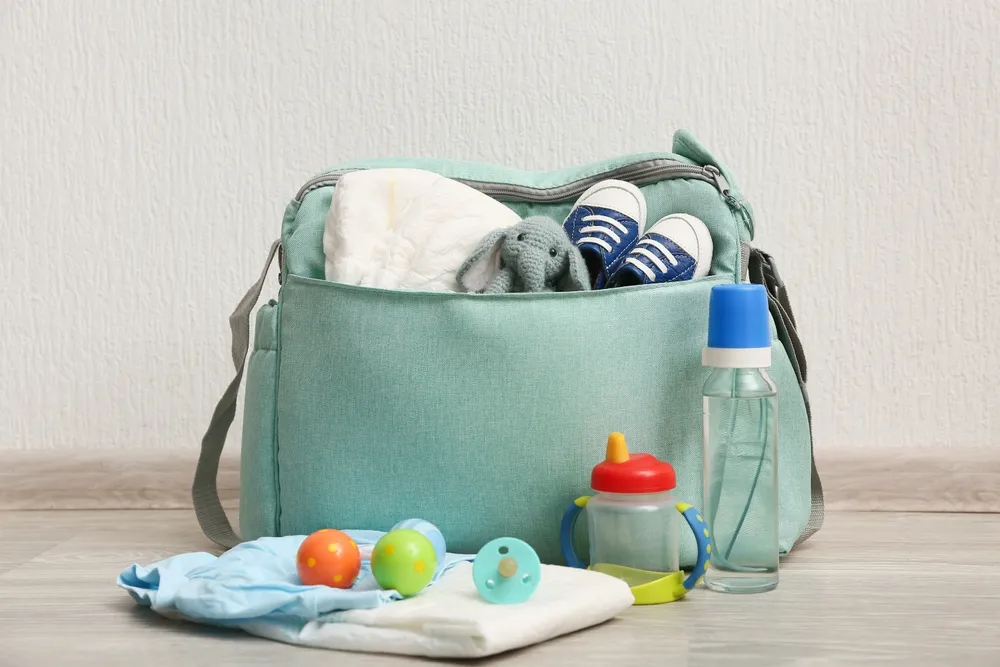
Pack daily: 6–8 diapers, wipes, diaper cream (with authorization), 3 complete changes of clothes, labeled bottles, breastmilk or formula, 2 bibs, burp cloths, pacifiers (if used), sleep sack or swaddle (if age-appropriate), and comfort items approved by your center.
Download: [Free Printable PDF Infant Daycare Packing Checklist Coming Soon]
Daily Essentials: Diapers, Wipes, and Skin Safety
For a full day at infant daycare, we typically recommend packing:
- 6–8 diapers per day
- One full package of wipes
- Diaper rash cream (with signed authorization)
- Extra unopened diaper packs stored at the center
Southern California weather can be surprisingly tricky for infant skin. In Irvine, cool marine-layer mornings often turn into warm, dry afternoons. During Santa Ana wind seasons, many babies experience increased skin dryness or irritation.
If your baby has sensitive skin, eczema, or allergies, always provide the specific brand that works well at home. Families frequently send:
- Honest Company
- WaterWipes
- CeraVe Baby
- Aquaphor Baby
- Mustela Sensitive Skin products
Consistency matters. Introducing new products during the daycare transition can create unnecessary skin irritation.
Feeding Prep: Breastmilk, Formula, and Anti-Colic Bottle Protocols
Feeding routines are deeply personal, and maintaining consistency between home and daycare helps infants feel secure.
Parents should provide:
- Pre-measured bottles for the day
- Extra feeding supply for unexpected hunger
- Clearly labeled breastmilk containers
- Formula prepared according to pediatric recommendations
- Clean bottle nipples and caps
At DeeCyDa, cleanliness is non-negotiable. Every bottle should arrive fully sanitized.
For babies using anti-colic systems such as Dr. Brown’s or Philips Avent, we encourage parents to send complete bottle assemblies and clearly label all components. Missing vents or mismatched pieces can affect feeding comfort.
Whenever possible, prepare and organize bottles the evening before to reduce morning stress.
Comfort & Sleep: Sensory-Friendly Swaddles and Pacifiers
One of the biggest challenges during the first weeks of infant daycare is helping babies regulate emotions in a new environment.
A familiar scent from home can make a remarkable difference.
Parents often send:
- A familiar sleep sack approved for safe sleep
- Labeled pacifiers
- A small receiving blanket used during cuddling transitions (when developmentally appropriate and licensing compliant)
Babies recognize familiar smells long before they understand language. A sleep sack that smells like home can provide emotional reassurance and help calm the nervous system during naptime.
Our caregivers intentionally incorporate these familiar sensory cues to help infants feel secure and connected.
Parents consistently underestimate how many clothing changes infants need.
At minimum, pack:
- Three complete outfits
- Two extra pairs of socks
- Seasonal outer layer
- Two bibs
- One extra sleep outfit
Orange County weather changes quickly throughout the day. A chilly 62-degree Irvine morning can easily become a sunny 80-degree afternoon.
We recommend dressing babies in layers:
- Lightweight bodysuit
- Comfortable pants or leggings
- Light sweater or jacket
- Breathable cotton fabrics
Remember: tummy time, feeding spills, diaper leaks, drooling, and sensory play all contribute to multiple wardrobe changes each day.

The “DeeCyDa Edge”: What Generic Checklists Miss
At DeeCyDa, we believe infant daycare should support the whole child—not simply supervise them.
Our infant program is intentionally designed around emotional security, sensory regulation, and individualized developmental care.
Sensory-Friendly Labeling: Preventing Overstimulation from Day One
Most daycare checklists simply say, “Label everything.”
We go much further.
At DeeCyDa, we encourage families to use:
- Color-coded labels
- Distinct tactile stickers
- Consistent label placement
Why?
Because in a calm infant room, every unnecessary interruption matters.
When a caregiver can instantly identify a baby’s bottle or pacifier without searching through an unlabeled bin, we maintain the quiet, soothing flow of the room. Babies remain calm, routines stay predictable, and caregivers can respond more quickly to individual needs.
This small detail significantly reduces overstimulation during transition weeks.
Multilingual & Audio Cues: Packing Your Baby’s Familiar Sounds
Orange County families represent beautifully diverse cultures, languages, and traditions.
Many DeeCyDa families speak Spanish, Mandarin, Farsi, Korean, or use American Sign Language at home.
We encourage parents to share:
- Familiar words for comfort
- Home nicknames
- Favorite lullabies
- Soothing phrases
- Common signs or gestures
Examples include:
- “Shhh, mijo, mommy’s here.”
- “Lala kon” (Farsi for “go to sleep.”)
- Favorite Mandarin bedtime songs.
- ASL signs for “milk” or “more.”
Our bilingual educators intentionally integrate these familiar language cues throughout the adjustment period.
Hearing familiar sounds creates a powerful bridge between home and infant daycare, strengthening trust and reducing separation anxiety.
Logistics Masterclass: How to Prepare Your Bottles and Bags Like a Pro
Step 1: The 24-Hour Bottle Prep Rule
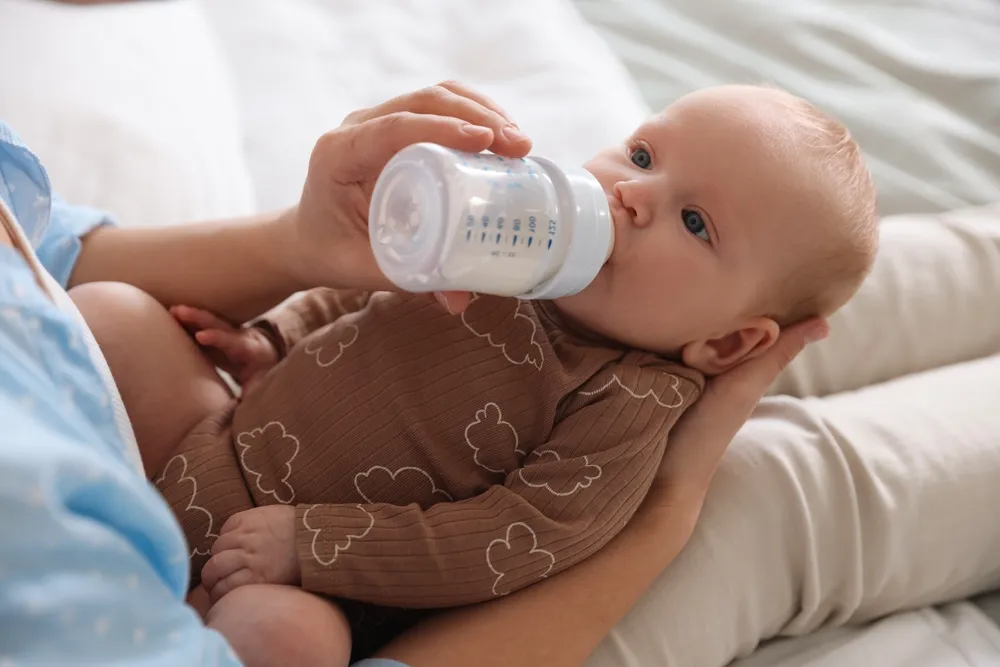
Prepare bottles the night before whenever possible.
Morning rushes in Orange County traffic are stressful enough without trying to assemble feeding supplies at 7:00 a.m.
Label every individual component:
- Bottle
- Cap
- Ring
- Storage container
Include:
- Child’s full name
- Date
- Exact milk volume
Example:
Sophia Martinez – 6 oz – June 24
Labeling every component prevents accidental mix-ups and keeps feeding routines running smoothly.
Step 2: Segregate Your Supplies
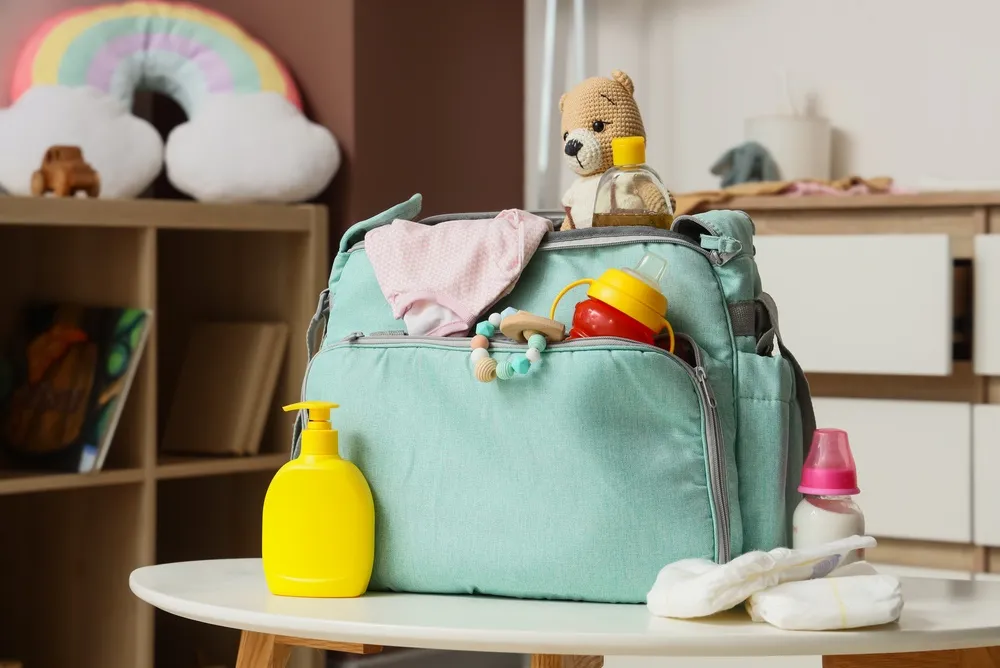
Think of your diaper bag as having two zones.
Top section (daily access):
- Fresh bottles
- Clean clothes
- Bibs
- Pacifiers
- Daily diapers
Bottom section (backup inventory):
- Extra diaper packs
- Additional wipes
- Backup clothing
- Emergency feeding supplies
This organization system dramatically speeds up drop-off and allows teachers to access essentials immediately.
Step 3: The Drop-Off Handshake
One of the most important safety habits we teach new families is what we call the Drop-Off Handshake.
Always hand your insulated milk cooler directly to your child’s caregiver.
Do not leave breastmilk or formula sitting in a cubby.
Strict temperature control is essential for infant safety. Direct transfer ensures milk is immediately placed in temperature-controlled storage according to licensing standards.
Health, Safety, and Licensing Rules: Irvine Childcare Standards
California Community Care Licensing (CCLD) Compliance Guide
Licensed infant daycare centers in California operate under very strict regulations designed to protect children.
Important rules include:
- Formula containers must remain in original factory packaging.
- Breastmilk must be clearly labeled with the child’s name and date.
- Expired milk cannot be stored or served.
- Feeding supplies must meet sanitation requirements.
- All infant sleep practices must follow state Safe Sleep regulations.
These standards are monitored through California Community Care Licensing and are designed to ensure every infant receives safe, consistent care.
Medication and Diaper Rash Cream Authorization Requirements
Teachers cannot legally apply medications, creams, sunscreen, or ointments without proper documentation.
Parents must provide:
- Original labeled product.
- Signed parent authorization forms.
- Physician instructions when required by licensing regulations.
- Clear dosage or application directions.
This includes:
- Diaper creams
- Eczema ointments
- Sunscreen
- Over-the-counter medications
- Teething gels
While paperwork may seem inconvenient, these safeguards protect every child in our care.
Frequently Asked Questions
Can I bring my baby’s favorite stuffed animal or heavy blanket for naptime?
California Safe Sleep regulations prohibit loose blankets, heavy bedding, and most stuffed animals in infant sleep spaces because of SIDS prevention guidelines.
At DeeCyDa, we instead use state-approved sensory soothing strategies, including sleep sacks, caregiver comfort routines, gentle rocking, soft music, and familiar language cues.
How many changes of clothes should I actually pack for an infant?
We strongly recommend three complete outfits every day, plus seasonal layers and extra socks. During early transition weeks, many infants use all three.
What happens if my baby refuses a bottle prepared from home?
This is incredibly common during the first days of infant daycare.
Our experienced team uses paced-feeding techniques, gentle sensory rocking, familiar language cues, movement, and patient one-on-one support. Most babies gradually adjust within the first few weeks once trust and routine are established.
Tour Our Sensory-Friendly Infant Care Center in Irvine
Choosing an infant daycare is one of the biggest decisions you’ll make as a parent.
At DeeCyDa Child Care, we understand that you’re not simply looking for childcare, you are looking for people who will love, protect, nurture, and truly understand your baby.
We invite Orange County families to visit our warm, sensory-friendly campus in Canopy, Irvine, meet our caring educators, explore our infant classrooms, and experience firsthand the supportive community that has helped so many local families navigate this important milestone with confidence.
Schedule a personal tour today and discover how DeeCyDa can become your family’s trusted partner during your baby’s earliest years.
Email:info@deecyda.com
PHONE: (949) 316-4282