


Fun Holidays for Kids are not created by packed schedules, expensive gifts, or perfectly planned activities. They are shaped by how children feel during those moments—safe, included, excited, and connected. From a child-development and family-marketing perspective, the most meaningful holidays are those that balance joy with emotional well-being, creativity with calm, and celebration with routine. When holidays are designed around children’s needs rather than adult expectations, they become experiences that support confidence, imagination, and lasting positive memories.
For children, holidays are not defined by calendars, decorations, or even gifts. They are defined by how they feel. A holiday becomes meaningful to a child when it feels warm, playful, engaging, and safe. From a marketing and child-development perspective, the most successful holidays for kids are those that combine emotional connection, structure, and creativity—without overstimulation.
At DeeCyDa, we approach holidays with one core belief: fun should support growth, not distract from it. When holidays are designed intentionally, they become powerful moments for learning, bonding, and confidence-building.
Contents
- 1 Start With Emotional Experience at new year 2026 , Not Activities
- 2 Christmas Effects on Children: Santa Claus, Gifts, and Emotional Development
- 3
- 4 Santa Claus and the Power of Belief
- 5 The Psychological Effects of Gifts on Children
- 6 Christmas, Rewards, and Behavior
- 7 Long-Term Effects of Christmas Experiences
- 8 A Balanced Perspective for Christmas 2026
- 9 Build Simple Traditions That Create Anticipation
- 10 Turn Ordinary Moments Into Holiday Magic
- 11 Prioritize Creative Play Over Passive Entertainment
- 12 Balance Energy With Calm in Holidays 2026
- 13 Make Learning Feel Invisible For Kids in 2026 Holidays
- 14 Encourage Kindness and Social Awareness
- 15 Let Children Lead More Than You Think
- 16 Why Fun Holidays Matter at DeeCyDa
- 17 Final Perspective
Start With Emotional Experience at new year 2026 , Not Activities
Many parents begin holiday planning by asking what to do. A more effective question is how should this holiday feel for my child?
Children remember emotions long before they remember events.
Fun holidays for kids should feel predictable yet exciting, calm yet playful. When children feel emotionally secure, they engage more deeply in everything—from games to conversations. This is why overly packed schedules often backfire; too much stimulation creates stress rather than joy.
The goal is not to entertain children constantly, but to create an environment where joy emerges naturally.

Christmas Effects on Children: Santa Claus, Gifts, and Emotional Development
Christmas has a unique psychological and emotional impact on children. Beyond decorations and celebrations, the season shapes how children experience joy, trust, expectation, and connection. From a child-development and marketing psychology perspective, Christmas is less about what happens and more about how meaning is formed in a child’s mind.
Understanding the effects of Santa Claus, gift-giving, and holiday rituals helps parents and educators create a healthier, more balanced Christmas experience—especially as we move into Christmas 2026, where emotional well-being is becoming a stronger priority.
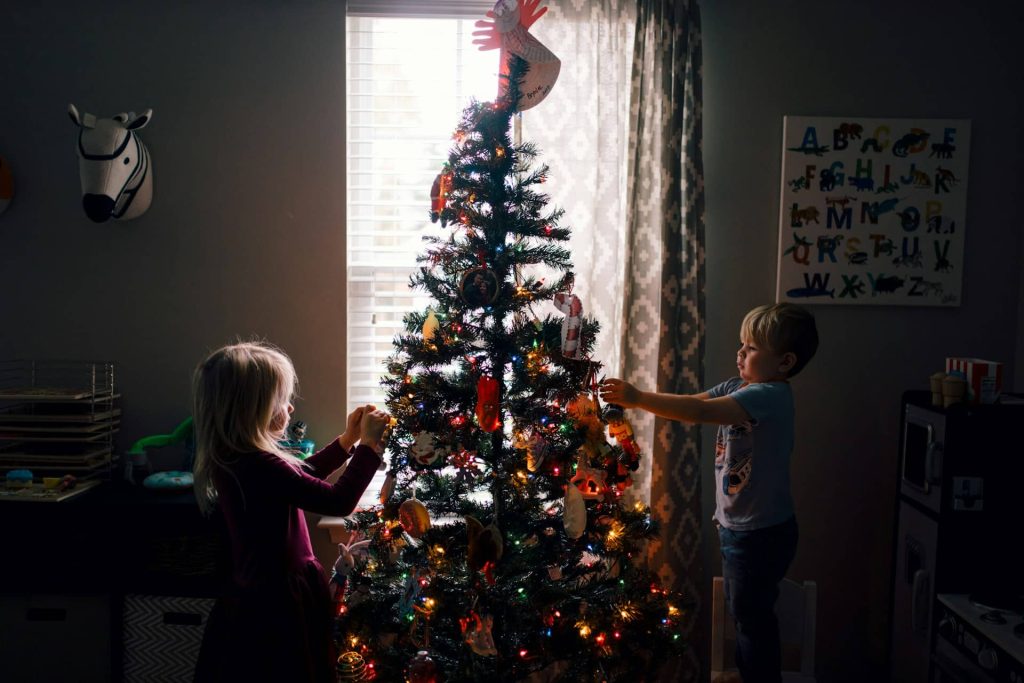
For most children, Christmas represents anticipation. The weeks leading up to the holiday activate imagination, excitement, and a sense of magic. This anticipation plays an important role in emotional development. Waiting, counting days, and imagining outcomes teach children patience and emotional regulation in a way that feels joyful rather than forced.
At the same time, Christmas can amplify emotions. Happiness, excitement, disappointment, and even anxiety may all surface. Children who feel secure and emotionally supported during this time are better able to process these heightened emotions. When adults remain calm and present, Christmas becomes emotionally enriching rather than overwhelming.
Santa Claus and the Power of Belief
Santa Claus is one of the earliest examples of symbolic belief in childhood. For young children, Santa represents wonder, imagination, and the idea that goodness is noticed and rewarded. This belief is not about deception; it is about storytelling, fantasy, and cognitive development.
Believing in Santa helps children:
-
Strengthen imagination and creative thinking
-
Understand abstract concepts like generosity and kindness
-
Experience collective cultural storytelling
As children grow older and begin to question Santa’s reality, the transition matters. When handled gently, discovering the truth can actually strengthen trust. Children often feel proud to “join the grown-ups” and understand the deeper meaning behind the story—generosity, giving, and shared joy.
The key is never using Santa as a tool for fear or control. When Santa becomes associated with pressure or behavior monitoring, the magic turns into stress.
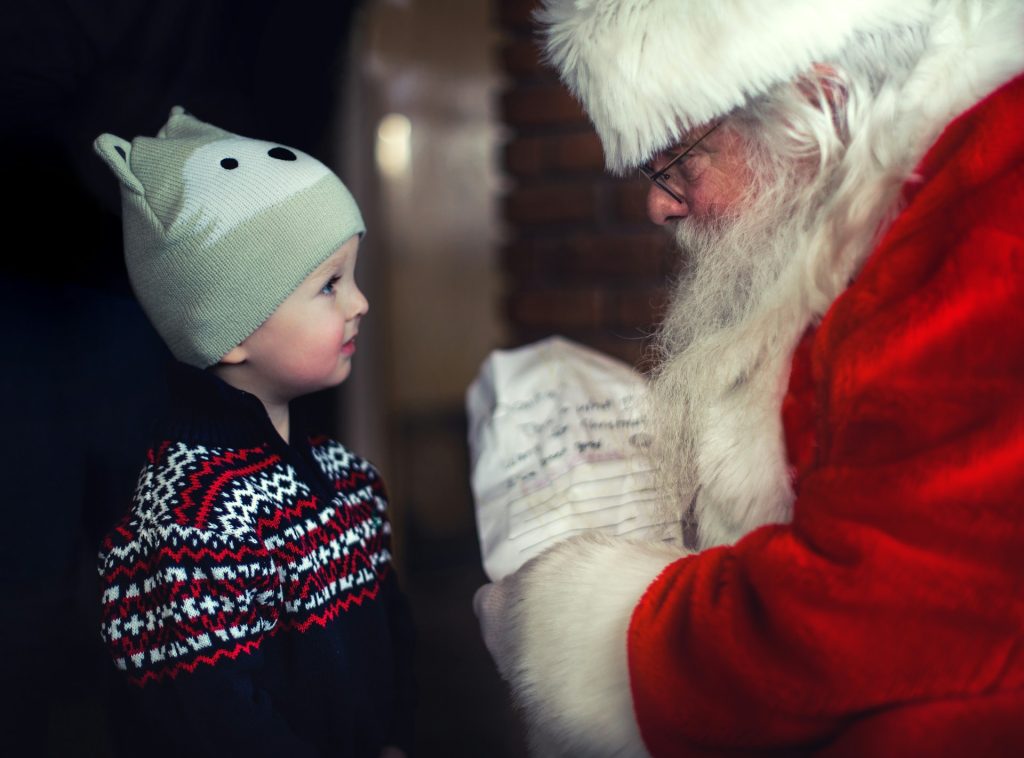
The Psychological Effects of Gifts on Children
Gifts are one of the most visible parts of Christmas, but their emotional impact depends on context. When gifts are framed as expressions of love rather than measures of worth, they support positive emotional development.
Children benefit most when:
-
Gifts are not excessive
-
Expectations are managed
-
Gratitude is modeled, not demanded
Too many gifts can overstimulate children and reduce appreciation. Fewer, more intentional gifts encourage imagination, longer engagement, and emotional value. Children remember how gifts were given—shared excitement, connection, and presence—more than the gift itself.
Importantly, Christmas gifts should never become a comparison tool between siblings or peers. Comparison shifts Christmas from joy to performance, which can quietly harm self-esteem.
Christmas, Rewards, and Behavior
A common concern among parents is whether Christmas promotes materialism. The answer depends on how the holiday is framed. When Christmas is positioned purely as a reward system—good behavior equals gifts—children may internalize conditional love.
When Christmas emphasizes:
-
Togetherness
-
Giving to others
-
Shared experiences
Children learn that joy comes from connection, not accumulation. This distinction becomes especially important as children grow and begin to understand social values.
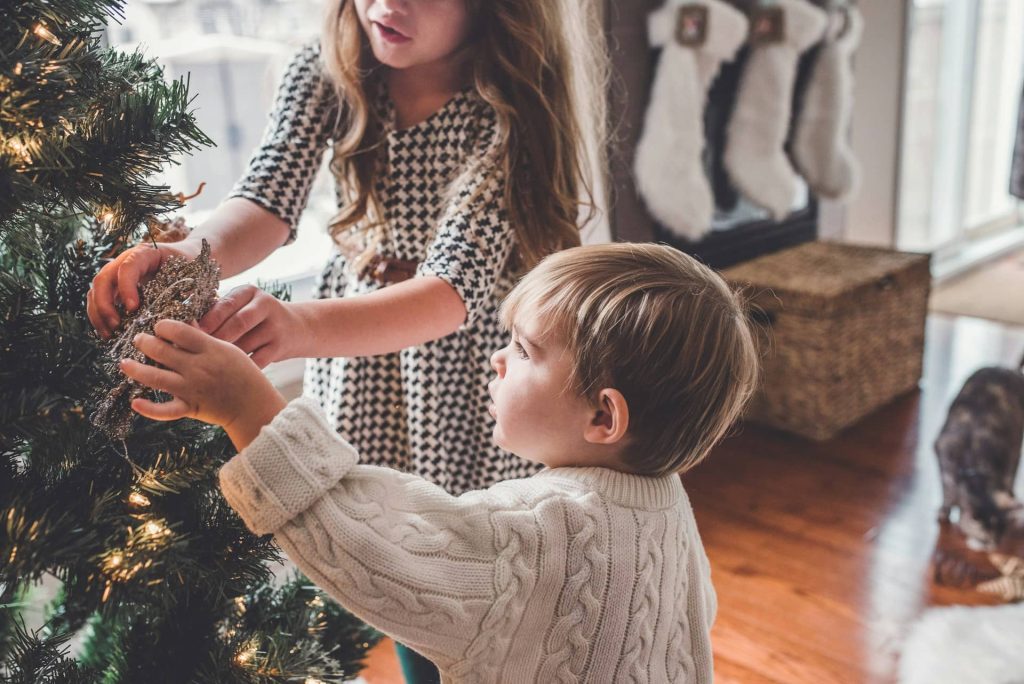
Long-Term Effects of Christmas Experiences
The emotional tone of Christmas can shape long-term memories. Children often carry feelings from holiday experiences into adulthood—feelings of warmth, belonging, stress, or pressure.
Positive Christmas experiences support:
-
Emotional security
-
Family bonding
-
Healthy anticipation and gratitude
Negative experiences—overstimulation, pressure, or emotional neglect—can create anxiety around holidays later in life. This is why intentional, emotionally aware planning matters more than perfection.
A Balanced Perspective for Christmas 2026
As families move toward Christmas 2026, there is a noticeable shift away from excess and toward meaning. Parents are increasingly choosing calm, child-centered holidays that protect emotional well-being while preserving joy and magic.
Santa Claus, gifts, and traditions can all play a healthy role when guided by empathy, balance, and intention. Children do not need a “perfect” Christmas. They need one where they feel safe, seen, and emotionally connected.
That is where the real magic lives.
Build Simple Traditions That Create Anticipation
Traditions are one of the strongest emotional anchors in childhood. They don’t need to be elaborate or seasonal-specific. What matters is repetition and ownership.
When a child knows, “This is what we always do during holidays,” it creates comfort and excitement at the same time. A consistent morning ritual, a shared creative moment, or a quiet end-of-day reflection can be more impactful than large celebrations.
From a developmental standpoint, traditions support emotional regulation and help children understand time, transitions, and belonging.

Turn Ordinary Moments Into Holiday Magic
Children don’t need constant novelty—they need familiar routines with a playful twist. Holidays become fun when everyday moments feel slightly different, more intentional, and more inclusive.
Cooking together, organizing shared spaces, or even preparing for the next day can feel festive when children are actively involved. Participation gives children agency, and agency creates joy.
At DeeCyDa, we see this daily: when children are part of the process rather than passive observers, engagement rises dramatically.
Prioritize Creative Play Over Passive Entertainment
Screens and structured entertainment can be part of holidays, but they should never be the centerpiece. The most memorable holiday moments are often creative ones—when children build, imagine, draw, pretend, and express.
Creative activities allow children to process emotions, release energy, and feel proud of what they create. They also support cognitive flexibility and confidence, two skills that extend far beyond the holiday itself.
Hands-on play doesn’t require perfection or expensive supplies. What it requires is time, space, and encouragement.
Balance Energy With Calm in Holidays 2026
A holiday that is too exciting stops being fun for kids. Overstimulation often leads to meltdowns, withdrawal, or exhaustion—especially for younger children.
A well-designed holiday includes natural pauses. Quiet play, reading time, sensory activities, or simply sitting together helps children reset emotionally. These moments are not interruptions to fun; they are what allow fun to continue.
From a wellness perspective, calm moments teach children how to self-regulate and listen to their bodies—skills that matter far beyond childhood.
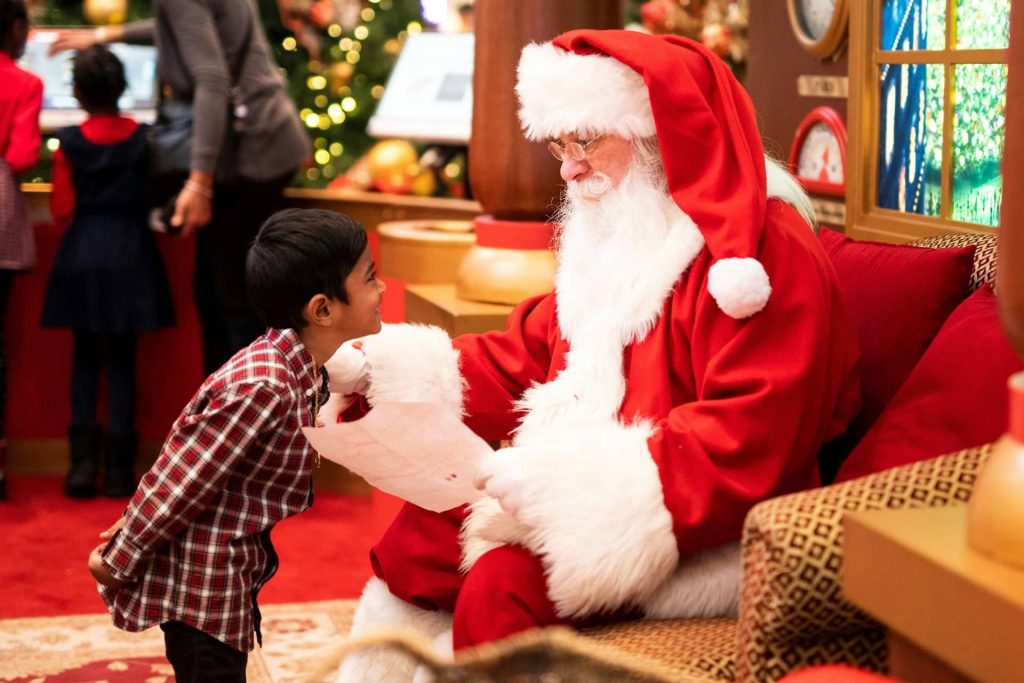
Make Learning Feel Invisible For Kids in 2026 Holidays
Holidays are one of the most effective times for learning because children are relaxed and emotionally open. When learning is woven into real experiences, it feels natural rather than instructional.
Storytelling, conversation, exploration, and problem-solving all happen organically during holidays. Children ask questions, make connections, and experiment freely. This type of learning builds curiosity and confidence without pressure.
At DeeCyDa, we intentionally design holiday programs where learning happens through play, conversation, and exploration—never through forced instruction.
Encourage Kindness and Social Awareness
Holidays are a powerful opportunity to introduce empathy in a way children can understand. Small acts—sharing, helping, creating something for someone else—build emotional intelligence and social confidence.
Children don’t need abstract lessons about kindness. They need experiences where kindness feels real and rewarding. These moments help shape how they relate to others long after the holiday ends.
Let Children Lead More Than You Think
One of the simplest ways to make holidays fun for kids is also one of the most overlooked: let them choose.
When children have a voice in how a day unfolds, they feel respected and empowered. Their ideas may be simple, spontaneous, or unconventional—but they are often exactly what makes the experience joyful.
From a developmental lens, choice supports independence, decision-making, and self-esteem.
Why Fun Holidays Matter at DeeCyDa
At DeeCyDa, holidays are not treated as breaks from learning—they are extensions of it. Our approach blends emotional safety, creativity, structure, and joy to create experiences children look forward to and feel confident within.
We focus on:
-
Child-centered design
-
Emotional awareness and regulation
-
Play-based exploration
-
Meaningful routines that support development
Because fun, when done right, is not just entertainment—it’s growth.
Christmas 2026 – Parent FAQs
What makes Christmas 2026 special for young children?
Christmas 2026 is an opportunity to create experiences that feel calmer, more meaningful, and more intentional for kids. Families are increasingly focusing on emotional connection, creativity, and shared moments rather than overstimulation. For children, what makes this Christmas special is not what’s under the tree, but the sense of warmth, routine, and togetherness they experience throughout the season.
How can parents make Christmas 2026 fun without overloading kids?
The key is balance. Christmas 2026 should include excitement alongside calm. Keeping daily routines familiar, limiting the number of events in one day, and allowing children quiet time helps prevent burnout. When children feel regulated and rested, they engage more fully and enjoy holiday activities more deeply.
Are Christmas traditions still important for kids in 2026?
Yes—traditions matter more than ever. In a fast-moving, digital world, predictable holiday rituals provide children with emotional security. Simple traditions repeated each year help kids understand time, belonging, and family identity, making Christmas feel grounding and safe.
How can learning be part of Christmas 2026 without feeling like school?
Learning during Christmas 2026 should feel natural and unforced. Storytelling, conversations about kindness, cultural traditions, and hands-on activities like cooking or crafting naturally build skills without pressure. Children learn best when they feel relaxed and emotionally engaged.
What should parents prioritize most during Christmas 2026?
Connection should come first. Children remember how Christmas made them feel far longer than any gift they received. Prioritizing shared experiences, emotional presence, and moments of genuine joy will make Christmas 2026 meaningful and memorable for kids.
Final Perspective
Fun holidays for kids are not about doing more. They’re about doing things with intention. When children feel connected, included, and calm, fun follows naturally.
The holidays children remember most are not the loudest or the busiest—but the ones where they felt seen, safe, and free to be themselves.
That is the kind of holiday experience DeeCyDa stands for.