

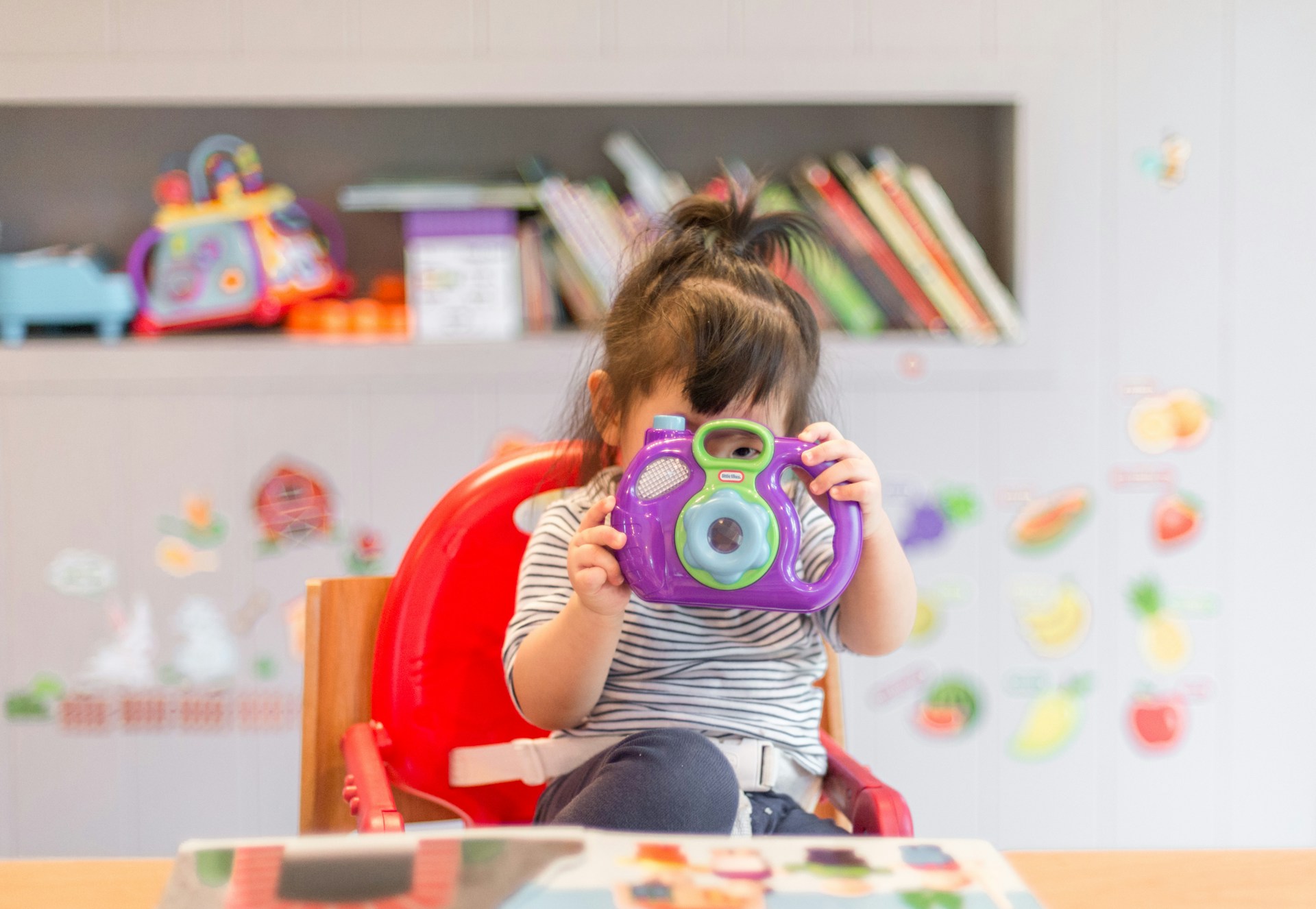
Early childhood is a critical stage in a child’s growth—physically, emotionally, socially, and cognitively. During these formative years, how children learn matters just as much as what they learn. One of the most effective and research-supported approaches is play base learning, a method that places meaningful play at the center of a child’s educational experience.
At DeeCyDa, play-based learning is not treated as “free time,” but as a purposeful, structured way for children to explore the world, build skills, and develop confidence in a safe and supportive environment.
Contents
What Is Play-Based Learning?
Play base learning is an educational approach where children learn through guided play experiences rather than passive instruction. These activities are intentionally designed to encourage curiosity, creativity, problem-solving, and social interaction.
Instead of memorizing facts, children engage in hands-on activities such as building, role-playing, drawing, experimenting, and storytelling. Through play, learning becomes natural, enjoyable, and deeply effective.
Play-Based Learning is one of the most effective and developmentally appropriate approaches to early childhood education. In the early years, children learn best when they are actively engaged, curious, and emotionally connected to what they are doing. Play-Based Learning allows children to explore ideas, build skills, and understand the world through meaningful experiences rather than passive instruction. Through play, children naturally develop language, problem-solving abilities, social skills, and confidence. This approach respects each child’s pace of development and learning style, creating a strong foundation for academic readiness and lifelong learning while keeping joy and motivation at the center of education.

Cognitive Development Through Play-Based Learning
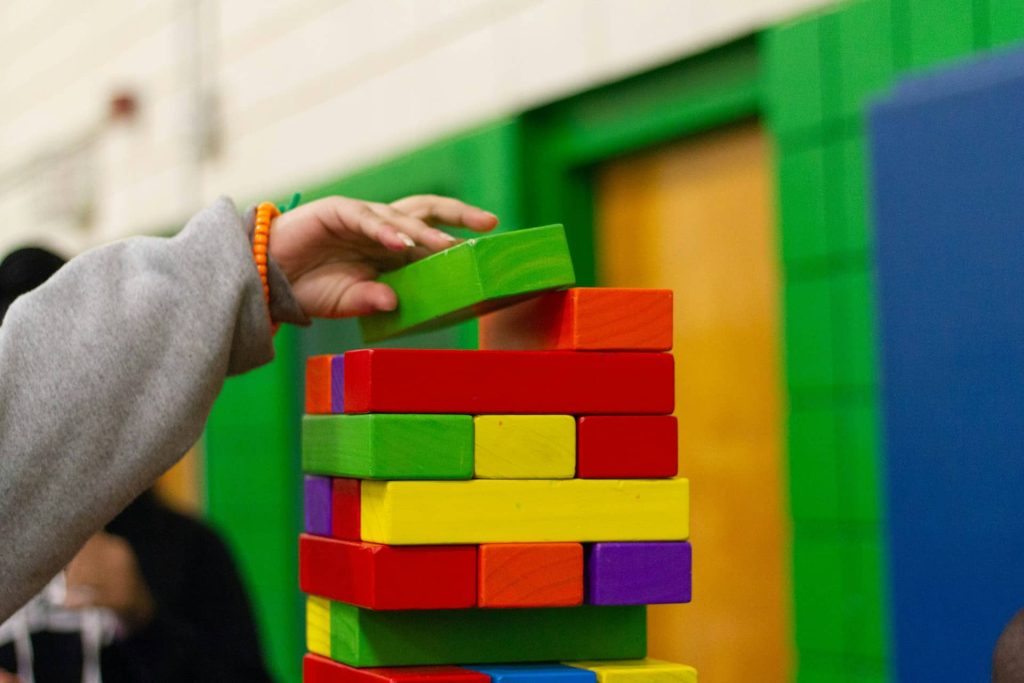
Play-Based Learning supports cognitive growth by encouraging children to think, explore, and solve problems independently. When children build structures, complete puzzles, or experiment during play, they practice critical thinking and decision-making skills. This type of learning strengthens memory, attention, and logical reasoning without pressure or fear of failure. Play-Based Learning allows children to ask questions, test ideas, and learn from mistakes in a safe environment. As a result, children develop a natural love for learning and become more confident thinkers, which prepares them for future academic challenges in a positive and engaging way.
Social and Emotional Growth in Play-Based Learning
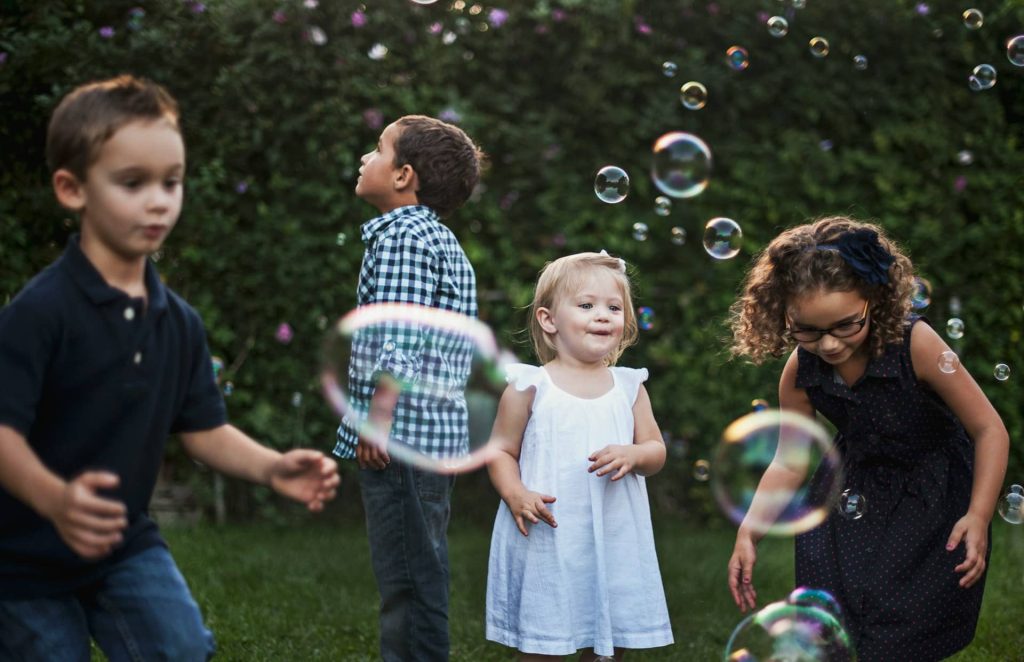
Play-Based Learning plays a vital role in helping children understand emotions and build healthy relationships. Through group play and role-playing activities, children learn how to communicate, share, cooperate, and resolve conflicts. These interactions help children develop empathy, emotional awareness, and self-regulation. Play-Based Learning also allows children to express feelings through imaginative play, which supports emotional well-being and confidence. By navigating social situations during play, children gain the skills needed to form friendships and feel secure in group environments, creating a strong emotional foundation for school and everyday life.
Physical and Creative Skills Developed Through Play-Based Learning
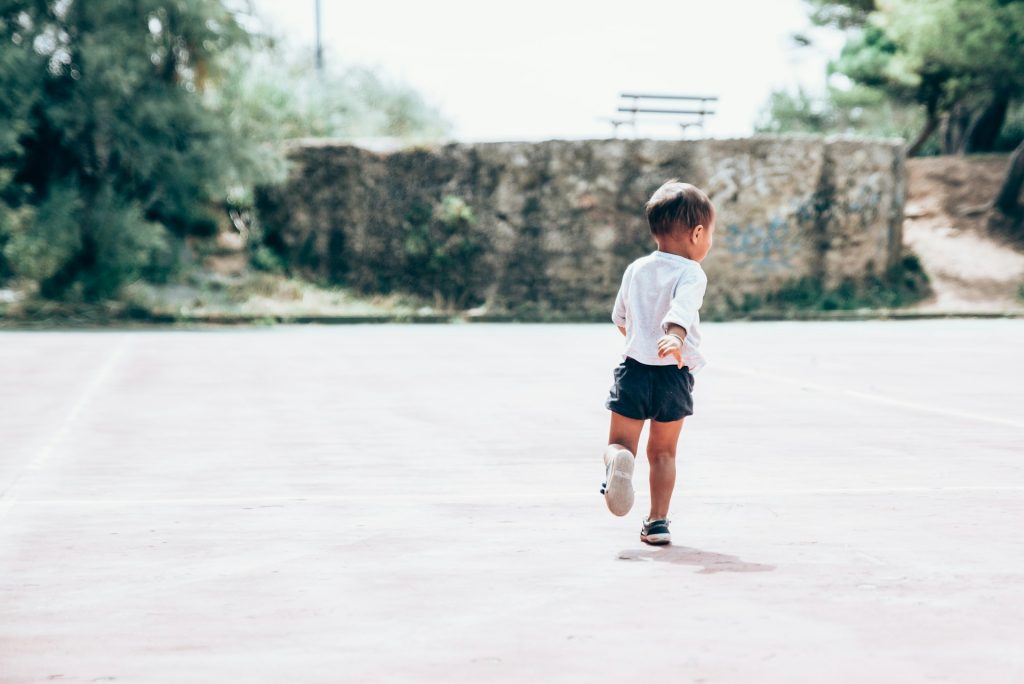
Play-Based Learning supports physical and creative development by encouraging movement, hands-on exploration, and self-expression. Activities such as climbing, running, drawing, and building help strengthen both fine and gross motor skills. At the same time, creative play allows children to express ideas through art, music, storytelling, and imaginative scenarios. Play-Based Learning helps children gain body awareness, coordination, and confidence while nurturing creativity and originality. These experiences not only support healthy physical growth but also encourage children to think creatively and express themselves freely, which is essential for balanced early childhood development.
Why Play Base Learning Matters in Early Childhood
1. Supports Brain Development
During play, children actively use their brains to make decisions, test ideas, and solve problems. These moments strengthen neural connections and improve memory, attention span, and critical thinking skills. Play base learning aligns perfectly with how young brains are wired to grow.
2. Builds Social and Emotional Skills
Play teaches children how to cooperate, take turns, negotiate, and express emotions. Group activities help children develop empathy and communication skills—abilities that are essential for long-term success in school and life.
3. Encourages Language and Communication
Whether children are pretending to run a store or explaining how they built a tower, play naturally boosts vocabulary, sentence structure, and confidence in speaking. Language development through play feels effortless because it happens in real, meaningful contexts.
4. Enhances Physical Development
From fine motor skills like drawing and stacking blocks to gross motor skills such as running and climbing, play strengthens coordination, balance, and overall physical health.
5. Fosters Independence and Confidence
When children make choices during play, they learn to trust themselves. This independence builds self-esteem and resilience, helping children feel capable and confident
How Play-Based Learning Works in Practice
Step 1: Creating a Safe and Stimulating Environment
Classrooms are designed with interactive learning stations—art corners, building areas, reading nooks, and sensory tables—that invite exploration.
Step 2: Guided, Not Forced, Learning
Educators observe children’s interests and gently guide play with thoughtful questions or challenges, ensuring learning goals are met without disrupting creativity.
Step 3: Child-Led Exploration
Children are encouraged to choose activities that interest them, allowing learning to be personalized and meaningful.
Step 4: Reflection and Reinforcement
Teachers help children reflect on what they experienced during play, reinforcing concepts and encouraging deeper understanding.
Types of Play for Children and Their Developmental Benefits
| Type of Play | Description | Skills Developed | Example Activities |
|---|---|---|---|
| Free Play | Child-led play with minimal adult direction | Creativity, independence, decision-making | Building with blocks, drawing, imaginative games |
| Physical Play | Active movement-based play | Gross motor skills, coordination, physical health | Running, climbing, jumping, ball games |
| Pretend (Dramatic) Play | Role-playing real or imaginary situations | Social skills, emotional expression, language development | Playing house, doctor, store, superheroes |
| Constructive Play | Creating or building something with materials | Problem-solving, fine motor skills, planning | LEGO, puzzles, building towers |
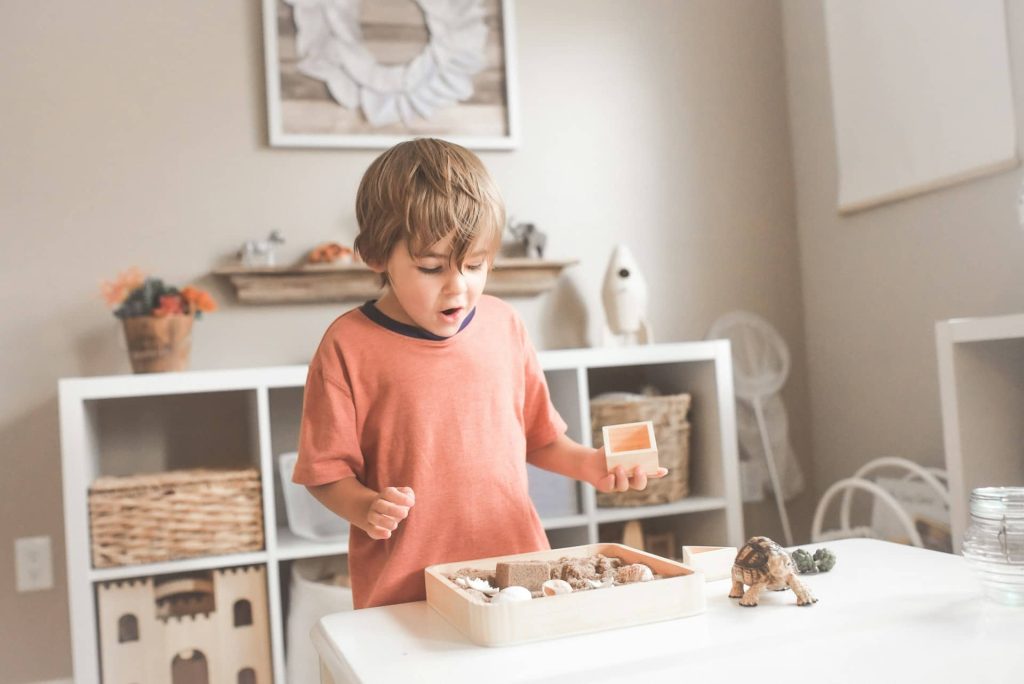
| Sensory Play | Play that engages the senses (touch, sight, sound, smell) | Brain development, focus, emotional regulation | Sand play, water play, playdough |
| Social Play | Play involving interaction with other children | Cooperation, communication, empathy | Group games, turn-taking activities |
| Creative Play | Expressing ideas through art, music, or movement | Imagination, self-expression, confidence | Painting, dancing, music exploration |
| Guided Play | Adult-supported play with learning objectives | Early academic skills, critical thinking | Counting games, story-based activities |
| Exploratory Play | Discovering how things work through trial and error | Curiosity, scientific thinking | Nature exploration, experimenting with objects |
| Rule-Based Play | Games with simple rules | Self-regulation, patience, logical thinking | Board games, simple sports games |
Play Base Learning vs. Traditional Learning
| Play-Based Learning | Traditional Learning |
|---|---|
| Child-centered | Teacher-centered |
| Learning through exploration | Learning through instruction |
| Encourages creativity | Focuses on repetition |
| Builds social skills | Limited peer interaction |
| Supports emotional growth | Primarily academic focus |
Long-Term Benefits of Play-Based Learning
Children who experience play base learning in early childhood often show:
-
Better problem-solving abilities
-
Stronger emotional regulation
-
Higher motivation to learn
-
Improved academic readiness
-
Greater adaptability and confidence
These benefits extend far beyond preschool, shaping lifelong learners who are curious, resilient, and socially aware.
Frequently Asked Questions (FAQ)
1. Is play base learning just playing without structure?
No. Play base learning is intentionally designed and guided by educators to meet developmental and educational goals.
2. Can children still learn academics through play?
Yes. Math, language, science, and early literacy concepts are naturally embedded into play-based activities.
3. Is play-based learning suitable for all children?
Absolutely. It adapts to different learning styles, abilities, and developmental stages.
4. Will my child be ready for elementary school?
Children educated through play base learning often enter school with stronger social skills, confidence, and readiness to learn.
5. How do teachers measure progress in play-based learning?
Progress is assessed through observation, documentation, and developmental milestones rather than standardized testing.
Conclusion
Play base learning is not a trend—it is a proven, essential approach to early childhood education. By allowing children to learn through exploration, creativity, and meaningful interaction, play-based learning supports the whole child: mind, body, and heart.
At DeeCyDa, this philosophy ensures that children don’t just prepare for school—they prepare for life. Through play, children discover who they are, how the world works, and how capable they truly can be.