

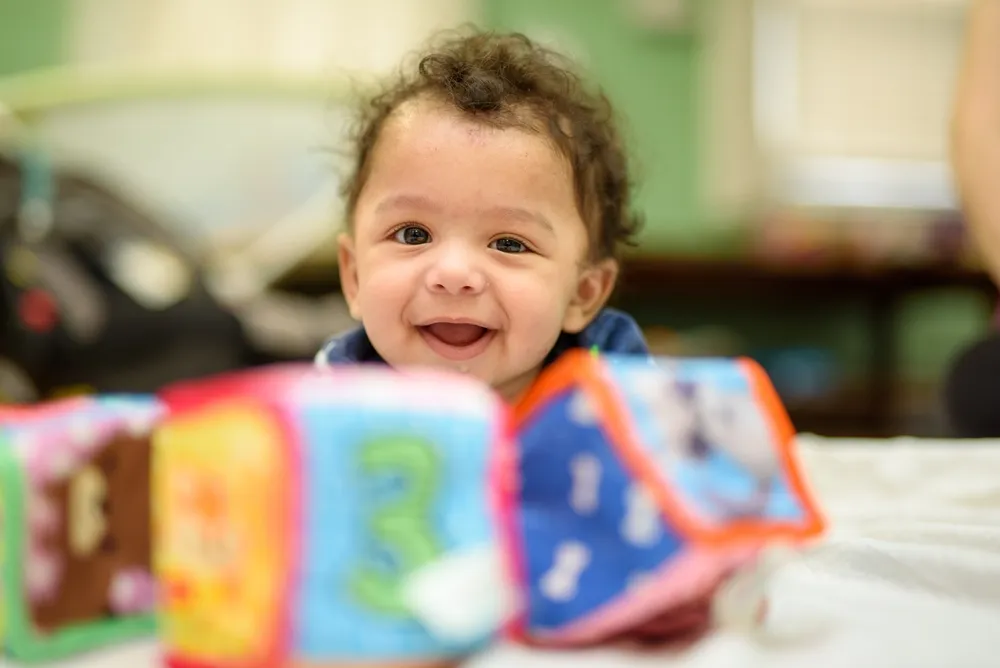
Daycare and preschool can both support a child’s learning and development. Daycare usually combines care with daily routines and learning activities, while preschool emphasizes early education before kindergarten. Many programs offer both. The better choice depends on your child’s age, support needs, and your family’s schedule.
For a 2-year-old, start by looking for warm, responsive toddler care. At 3, look for more opportunities to play with other children and practice independence. At 4, compare preschool or pre-K with age-eligible transitional kindergarten, while planning for any care you need outside school hours.
For Irvine families, that means looking beyond the program name. What happens when your child is tired, needs help using the bathroom, or feels unsure at drop-off? Those everyday moments can tell you as much as a curriculum brochure.
Contents
- 1 What is the difference between daycare and preschool?
- 2 Is daycare or preschool better for a 2-year-old?
- 3 Is daycare or preschool better for a 3-year-old?
- 4
- 5 Is daycare or preschool better for a 4-year-old?
- 6 How does transitional kindergarten fit into the choice in Irvine?
- 7
- 8 Can daycare prepare a child for kindergarten?
- 9 What should Irvine parents look for on a tour?
- 10 Is preschool more expensive than daycare in Irvine?
- 11
- 12 Common questions about daycare and preschool
- 13 Find the right next step for your child
What is the difference between daycare and preschool?
The main difference is usually the program’s emphasis and schedule, rather than whether children learn. Daycare often serves a wider age range and supports families who need consistent care. Preschool usually serves children before kindergarten and provides planned early learning experiences.
The terms overlap. A child care program can include a preschool curriculum, and a preschool can offer full-day care. ChildCare.gov’s guide to child care centers explains that centers may serve infants, toddlers, preschoolers, and older children, with full-time or part-time options. Childcare.gov
Here is a practical comparison. These are common patterns; ask each provider about its actual policies.
| What to compare | Daycare or child care | Preschool |
| Age groups | May serve infants through school-age children | Usually serves children before kindergarten, often ages 3–5 |
| Daily routine | Care, meals, rest, play, and learning | Play and planned learning, with care routines depending on the program |
| Hours and calendar | May offer longer hours and year-round care | May follow a school calendar; full-day options also exist |
| Toilet learning | Support depends on age group and provider | Requirements vary by program |
| Kindergarten preparation | May be built into the daily program | Usually an explicit goal |
A useful question is: “How do you help children learn during a normal day?” Ask for an example involving a story, a disagreement over a toy, or a meal. A clear answer shows how care and education work together.

Is daycare or preschool better for a 2-year-old?
For a 2-year-old, prioritize a program designed for toddlers, with responsive caregivers and room for rest, movement, and play. A preschool that accepts 2-year-olds can also be a good fit if it provides that support.
At this age, look closely at how adults help children communicate. A teacher might name an object a child points to, describe what the child is building, or help them ask for a turn. Learning can happen during ordinary interactions throughout the day.
Also ask about diaper changes, toilet learning, naps, and transitions between activities. Can the program respond when a child needs extra time or comfort? Does it expect toddlers to follow routines designed for older children?
DeeCyda’s Caterpillar toddler care program describes activities such as interactive reading, pretend play, building blocks, and sensory exploration. Families can ask the team how those activities would fit their child’s current needs. deecyda.com
Being ready for early learning does not mean being ready for every preschool schedule. Compare the support your child will receive, rather than choosing the program with the most academic-sounding description.
Is daycare or preschool better for a 3-year-old?
For a 3-year-old, either option can work well when it includes engaging play, supportive adults, and opportunities to practice social skills. A daycare with a preschool program may meet both learning and care needs.
Look for opportunities to join a small group, listen to a story, try an art activity, and ask for help. These should be skills children can practice with support. They should not have to master every one before enrolling.
For example, a child who grabs a toy needs an adult to help explain what happened and guide the next step. Ask how the teacher would respond. The answer gives you a clearer picture than a promise that children will “learn to share.”
Toilet training is another practical factor. Some programs require children to use the bathroom independently; others support toilet learning. Ask what happens after an accident and how staff coordinate with parents.
For ideas you can practice at home, read DeeCyda’s guide to social skills for toddlers. Small moments, such as taking turns in a game or naming a feeling, can connect home and classroom learning.

Is daycare or preschool better for a 4-year-old?
For a 4-year-old, look for a program that supports kindergarten readiness while meeting your child’s daily care needs. This could be preschool, pre-K, a daycare with early education, or age-eligible transitional kindergarten.
Kindergarten readiness includes more than recognizing letters. The Office of Head Start’s school readiness guidance covers social and emotional development, language and literacy, thinking skills, approaches to learning, and physical development. HeadStart.gov
On a tour, ask how children practice communicating their needs, working through frustration, using classroom materials, and participating in group activities. Look for adults who notice when a child needs help and adjust their approach.
A 4-year-old should also have time to explore and move. For example, children can practice counting while setting out cups, build vocabulary during pretend play, and use fine motor skills while drawing or working with dough.
DeeCyda’s Butterfly preschool program describes play-based learning, socialization, practical skills, and kindergarten preparation. Ask about current placement, the daily routine, and available schedules when comparing options. deecyda.com
How does transitional kindergarten fit into the choice in Irvine?
Transitional kindergarten, or TK, is a public-school option for eligible 4-year-olds in California. It is the first year of a two-year kindergarten program and uses a curriculum designed for younger children.
The California Department of Education’s Universal PreKindergarten FAQs explain that, beginning in the 2025–26 school year, TK must be available to children who turn 4 by September 1 of the school year. TK is free for age-eligible children. Elementary (CA Dept of Education)
IUSD’s 2026–27 grade placement guidance identifies its Pre-Kindergarten/TK group as children whose fifth birthday falls between September 2, 2026, and September 1, 2027. iusd.org
Confirm your school district and enrollment requirements using your home address. Living in Irvine does not automatically establish which district serves your family.
Then compare the full schedule. Ask about dismissal times, school breaks, transportation, and any before-school or after-school care you need. Free TK tuition may reduce one expense while leaving other care arrangements to plan.
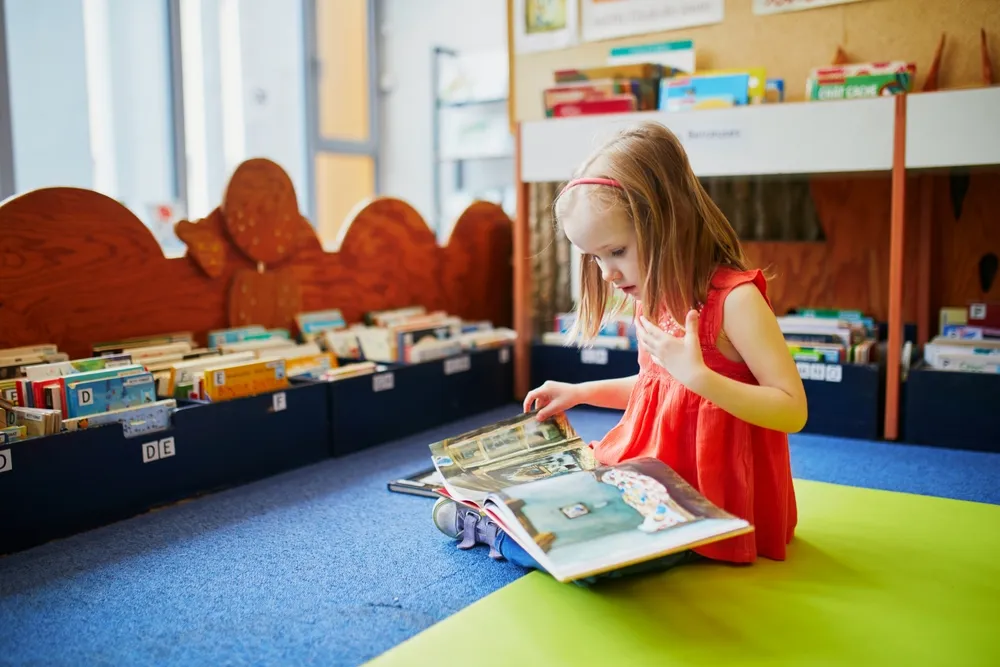
Can daycare prepare a child for kindergarten?
Yes. A daycare can support kindergarten readiness when its daily program includes purposeful learning and responsive teaching. Families do not always need to add a separate preschool program.
Ask what your child would do during the day and how staff help them build skills. A provider should be able to explain learning goals in plain language and describe how activities change as children grow.
The Head Start resource on learning through relationships illustrates how adults can support learning during play. Helping two children work through a disagreement, for example, creates an opportunity to practice communication and emotional skills. HeadStart.gov
If your child already enjoys their daycare, first ask about its preschool-age activities. A birthday alone does not tell you whether a move will improve their experience.
What should Irvine parents look for on a tour?
Look for warm interactions, clear routines, and a schedule that works in real life. Visit while the program is operating, when possible, so you can see how adults respond to children.
Notice what happens when a child needs help. Does an adult listen and respond calmly? Are children able to reach suitable books and play materials? Is there a comfortable place to rest?
Before choosing licensed care, use the California Department of Social Services facility search. CDSS also recommends visiting in person and asking to see current licensing information. cdss.ca.gov
Bring a few questions that matter to your family:
- Who will care for my child, and how many children will that adult supervise?
- How do you handle drop-off distress, toilet learning, and rest time?
- What does learning look like for my child’s age?
- How will you communicate with me about my child’s day?
- What are the hours, closures, tuition, and additional fees?
For families in Turtle Rock, Quail Hill, or University Park, test the drive during your actual drop-off or pickup window. A convenient route on a quiet weekend may work differently during a weekday commute.
DeeCyda’s local daycare guide for these Irvine neighborhoods can help you begin that search.
Is preschool more expensive than daycare in Irvine?
There is no reliable rule that preschool costs more or less than daycare. Compare current quotes for the same hours, days, and included services.
A part-day preschool may have a lower tuition bill but require another care arrangement. A full-day program may cost more upfront while covering more of your working day.
Ask for a written breakdown of tuition, enrollment fees, meals, supplies, late pickup fees, and any extra care charges. Also check holiday and summer schedules. Comparing a school-year program with year-round care requires more than comparing monthly tuition.
ChildCare.gov’s financial assistance guide explains options that may help eligible families, including subsidies, Head Start, and state-funded prekindergarten. Childcare.gov
Common questions about daycare and preschool
What age do children start preschool?
Preschool often serves children ages 3–5, although some programs accept 2-year-olds. Ask about the specific age group, daily schedule, and support available. ChildCare.gov describes prekindergarten programs as serving children ages 3–5. Childcare.gov
Are preschool and pre-K the same?
The terms often overlap. Pre-K commonly refers to the period before kindergarten, but providers use the names differently. Ask which ages attend and what children do during the day. In California, TK is a distinct public-school program.
Does my child need to be potty trained for preschool?
Not every preschool has the same requirement. Ask about toilet learning, accidents, and the help staff provide before enrolling. Explain your child’s current needs so you can discuss whether the program can support them.
Is part-time or full-time preschool better?
Neither schedule is automatically better. Choose based on your child’s needs, the quality of the program, and the care your family requires. Ask how the day balances play, learning, meals, and rest.
What if my child cries at daycare or preschool drop-off?
Ask the provider to make a consistent transition plan with you. Find out who comforts your child and how you will receive updates. If distress continues, discuss what happens after you leave and whether the routine or support needs to change.
What if we speak another language at home?
Ask how teachers communicate with children who are learning English and how they include home languages. Share familiar words, routines, and ways your child asks for help. Language support should be part of your discussion about program fit.
Find the right next step for your child
Choose a program that can explain how it will care for your child and help them learn at their current stage. At 2, that may mean a toddler routine with close support. At 3 or 4, it may mean more group learning and independence practice within a familiar care setting.
If you are comparing daycare and preschool in Irvine, contact DeeCyda to request a free tour. Tell the team your child’s age, the hours you need, and any questions about naps, toilet learning, or starting school.
You can also call (949) 316-4282 to discuss current options and availability.